


January 10, 2024
Satellite technology and AI revolutionise soybean aphid management in study
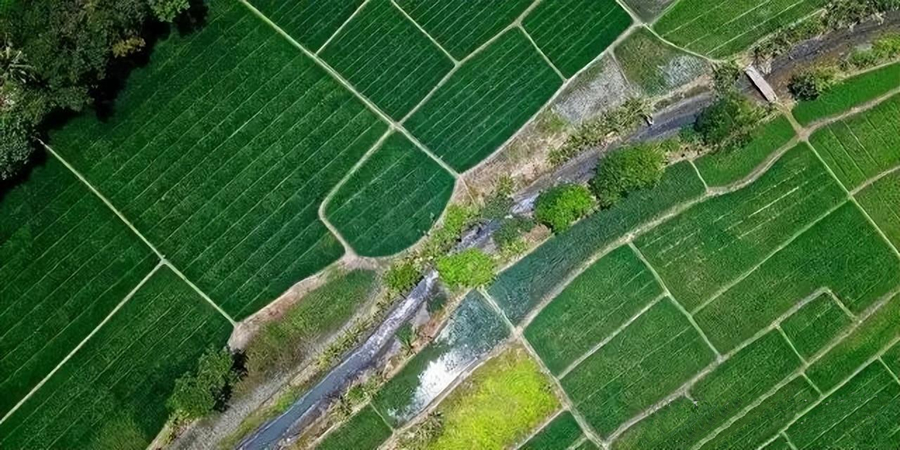
Research from the University of Minnesota in the United States has unveiled the transformative potential of satellite-based remote sensing, coupled with artificial intelligence (AI), in revolutionising the management of soybean aphids, an invasive pest causing detrimental impacts on soybean yield and quality, University of Minnesota reported.
Detailed in the journal Crop Protection, the study highlights that data from the Sentinel-2 satellite system, a pair of orbiting satellites capturing imagery data, can be harnessed to detect and categorize soybean aphid infestations in commercial fields. This breakthrough could significantly enhance pest management strategies.
The Minnesota Invasive Terrestrial Plants and Pests Centre, backed by the Minnesota Environment and Natural Resources Trust Fund, provided funding for this research.
In their investigation, researchers compared Sentinel-2 satellite imagery of commercial soybean fields with on-site assessments of aphid infestations, where staff manually counted aphids on plants. Utilising regression analyses, the team explored whether satellite data could effectively identify plant stress induced by aphids.
Key findings include soybean plant stress caused by aphids is detectable through satellite-based remote sensing, and the abundance of soybean aphids significantly influences both simulated and actual Sentinel-2 satellite data.
The study employed a machine learning algorithm, the support vector machine, using actual satellite data to allow AI to accurately identify fields with substantial aphid infestations requiring insecticide applications.
David Mulla, a professor in the Department of Soil, Water, and Climate, said satellite data from dozens of commercial soybean fields have been successfully used to develop AI predictions of when and where to spray for aphid control.
Traditionally, farmers determine the need for insecticides by manually inspecting fields, a time-consuming task that impedes the adoption of integrated pest management. The research findings support more efficient pest scouting methods, enhancing the economic and environmental sustainability of soybean production.
Arthur Ribeiro, lead author and post-doctoral associate in the Department of Entomology, highlighted the direct benefits for farmers and the broader scientific community. He noted that the methods developed in this study could be extended to other studies involving multiple pests.
Despite these promising outcomes, further research is required to refine the ability to distinguish stress caused by soybean aphids from stress induced by other factors such as drought, disease, or alternative pests.
Robert Koch, a professor in the Department of Entomology, sees this tool as a foundation for developing a system to help farmers make more informed decisions, prioritizing fields for intensive scouting and potentially enabling precise decision-making for individual fields. Historical data used in the analysis received support from various sources, including the Minnesota Soybean Research and Promotion Council, the USDA's National Institute of Food and Agriculture, the University of Minnesota MnDRIVE Initiative, and the National Council for Scientific and Technological Development (CNPq/Brazil).
- University of Minnesota


