


January 7, 2026
World's beef shipments expected to drop by 1% in 2026
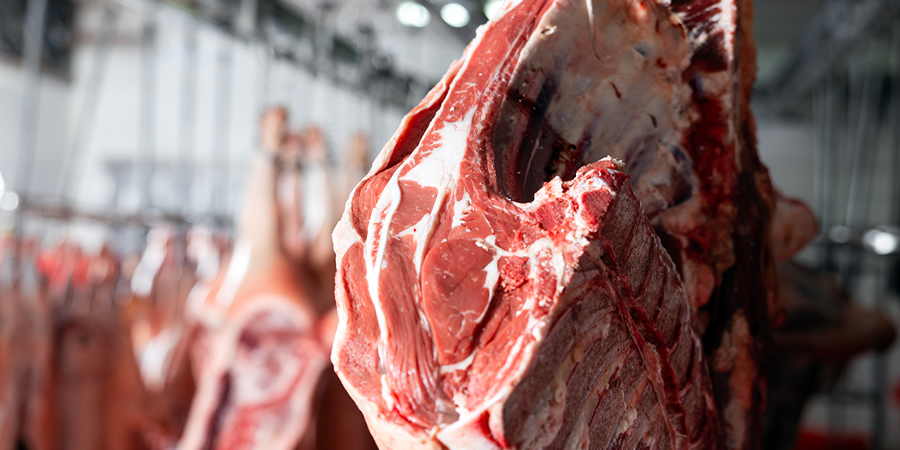
Global beef shipments are projected to fall by 1% to 13.5 million tonnes in 2026, as lower exports from Australia, Brazil, and the United States outweigh gains from Argentina, India, Mexico, and New Zealand, according to the US Department of Agriculture (USDA).
Brazil and Australia, the world's leading beef exporters, are expected to send less overseas after both countries reached record export levels in 2025, with slower cattle slaughter and adjustments in herd management reducing the supply available for export.
Worldwide beef production is also predicted to decline by 1% in 2026 to 61.0 million tonnes, as decreases in Australia, Brazil, China, the European Union, and the US surpass production increases in India, Mexico, New Zealand, and Uruguay.
Brazil's beef output is forecast to fall by 650,000 metric tons to 11.7 million metric tons, while China is expected to produce 7.56 million metric tons, down 230,000 metric tons from the previous year.
Chinese imports are projected to decline slightly to 3.75 million tonnes in 2026, following a sharp upward revision of 2025 imports to 3.815 million tonnes, showing continued strong demand for beef in the country.
Brazilian exports are anticipated to drop by 250,000 tonnes next year to four million metric tons, after the USDA significantly revised both 2025 and 2026 figures upward compared with previous estimates from its Brazil office.
Mercosur exports are expected to fall by 205,000 tonnes in 2026 to 5.815 million tonnes, with growth from Argentina and Uruguay only partially offsetting declines from Brazil and Paraguay.
These developments follow reports in September that global meat prices are reaching record levels, as strong demand in major markets continues to strain international supplies.
The United Nations Food and Agriculture Organization's Food Price Index showed minimal overall change in August at 130.1 points, compared with a revised 130 points in July, representing a 6.9% increase from the same month in 2025 and the highest reading since February 2023.
The FAO Meat Price Index rose by 0.6% to 128 points in August, marking the highest level in at least 25 years and surpassing the previous peak of 127.2 in July, driven mainly by higher beef prices from increased purchases by the US and strong demand from China.
- Food Business Middle East & Africa


