


January 4, 2024
Chicago corn records largest annual drop in a decade, wheat, soybeans also decline
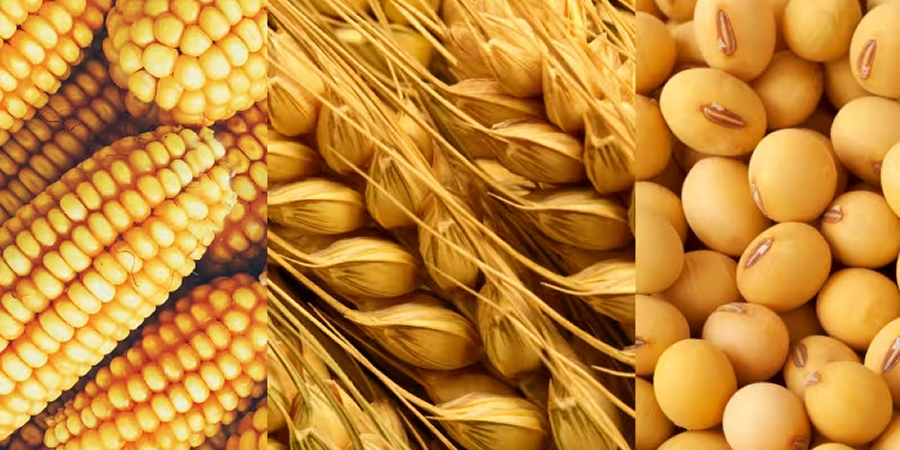
In the final trading session of 2023, Chicago corn marked its most substantial yearly decrease in ten years, with wheat and soybeans following suit, largely influenced by robust harvests in Brazil and steady Black Sea trade that alleviated concerns over weather conditions and geopolitical tensions, Nasdaq reported.
The most-active corn contract (Cv1) concluded the year with a 31% decline, representing the sharpest drop since 2013 for this globally traded commodity crop. Wheat (Wv1) experienced a 21% decrease, while soybeans (Sv1) saw a 15% loss.
These declines signal the end of a multi-year trend of rising prices in grain and oilseeds, which were previously influenced by factors such as harvest challenges, the COVID-19 pandemic, and geopolitical events like Russia's invasion of Ukraine.
The record corn harvests in Brazil and the United States this year, along with an all-time high in Brazilian soybean production, helped offset the impact of severe drought in Argentina. Recent improvements in rainfall in Argentina towards the year-end allowed farmers to make substantial progress in sowing the next crops of corn and soy.
Looking ahead to 2024, farmers are anticipated to respond to lower prices by prioritising soybean planting in the US.
Mike Zuzolo, president of Global Commodity Analytics, said in 2024, producers are going to be a lot more concerned about their input costs, and that is where beans play a much better role for them.
Despite the year-end meandering of futures prices with thin volume, wheat and soybeans closed lower on the last trading day of 2023. The most-active wheat contract (Wv1) dropped 3-1/2 cents to US$6.28 per bushel, while soybeans fell 14 cents to US$12.98 per bushel. Corn settled down 3 cents at US$4.71-1/4 per bushel.
The US Department of Agriculture's report on export sales of US soybeans in the week ending December 21, 2023, aligned with trade expectations. Wheat sales were toward the lower end of expectations, and corn sales were toward the higher end.
Traders are closely monitoring crop conditions in Brazil to assess the impact of recent rainfall and forecasted showers on mitigating drought damage in central and northern regions.
Looking forward to 2024, analysts anticipate potential challenges such as tighter supplies due to adverse El Nino-related weather effects, export restrictions, and higher biofuel mandates. The outcome will depend on whether El Nino effects materialise as feared, potentially leading to surplus corn.
- Nasdaq


