


January 4, 2024
Lower tariffs on meat imports to impact livestock and poultry production in the Philippines
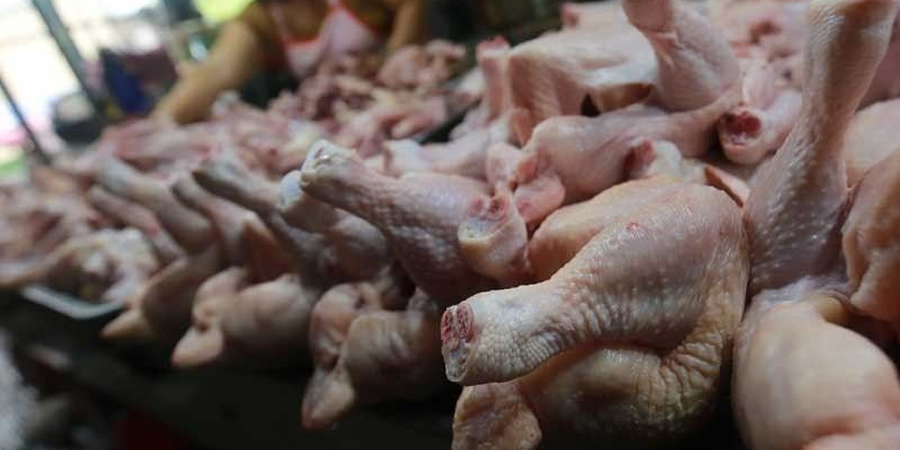
Livestock and poultry production in the Philippines are anticipated to face a decline in the coming year, as lower tariffs on meat imports discourage local producers from expanding, warns the Philippine Chamber of Food, Inc (PCAFI), BusinessWorld reported.
PCAFI president Danilo Fausto expressed a negative growth outlook for the livestock and poultry sector, affecting both upstream factors like corn production and downstream aspects in the value chain. Despite the Philippines‘ Department of Agriculture's goal to increase livestock production levels fivefold by 2028, recent developments pose challenges to this target.
The third quarter statistics from the Philippine Statistics Authority indicate a 3.3% increase in swine production and a marginal 0.1% rise in goat production. But dairy output experienced a significant decline of 12.4%, along with decreases in cattle (-1.5%) and carabao (-0.3%).
Fausto attributed this downturn to the extension of a lower tariff regime on imported meat, adding that imports, particularly with extended lower tariffs, will negatively impact local livestock production. Executive Order 50 prolonged the reduced most favoured nation tariff rates on rice, corn, and pork until December 31, 2024.
The lowered tariffs for pork meat, whether fresh, chilled, or frozen, were maintained at 15% for imports within the minimum access volume (MAV) quota and 25% for those exceeding the quota. Corn shipments faced a 5% tariff within the MAV quota and 15% for those exceeding it.
Fausto expressed concern about the competitiveness of local livestock producers against highly subsidised meat and poultry products from exporting countries. As of October, meat imports totalled 1.02 billion kg, with Brazil, the United States, and Spain being the top suppliers.
Jesus Cham, president of the Philippines Meat Importers and Traders Association, suggested that lower costs for acquiring meat could potentially result in decreased retail prices, benefiting consumers in a lower-cost environment.
- BusinessWorld


