


January 4, 2023
Estonia to receive US$102.4 million from European Maritime, Fisheries and Aquaculture Fund
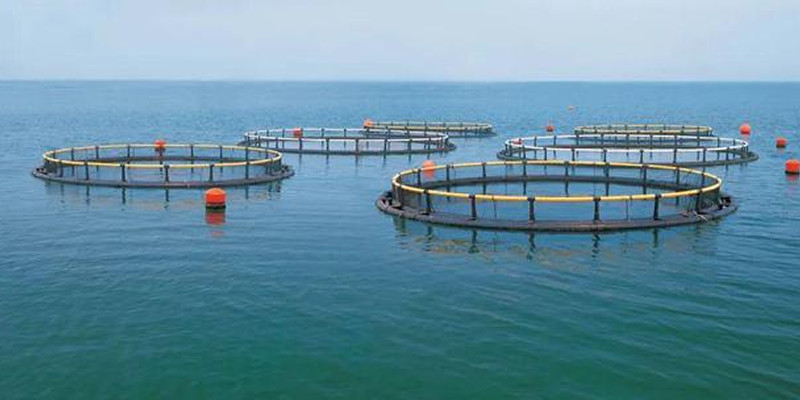
Following the adoption of the preceding of the Partnership Agreement 2021-2027 with Estonia, the European Commission has adopted the European Maritime, Fisheries and Aquaculture Fund (EMFAF) programme for Estonia, to implement the EU common fisheries (CFP) and EU policy priorities outlined in the European Green Deal, the European Commission announced last month.
The total financial allocation for the Estonian programme 2021-2027 is €139.1 million (US$147 million), of which the EU contribution accounts for €97.4 million (US$103 million).
Commissioner for Environment, Oceans and Fisheries Virginijus Sinkevičius, said: "I am pleased to announce the adoption of the Estonian EMFAF programme. The programme will focus on enhancing the resilience of the fisheries, aquaculture and processing sectors by stimulating research, innovation, knowledge transfer, reducing the operating costs through investments in energy efficiency, aiming towards green and digital transition. The programme will continue to provide support to coastal and island communities for their future sustainable development."
34% of the programme allocation will be dedicated to sustainable fisheries and conservation of aquatic biological resources; 38% will be invested in sustainable aquaculture and in processing and marketing of fisheries and aquaculture products; and 22% will be dedicated to sustainable blue economy in coastal areas, all contributing to the European Union's environmental and climate objectives.
The main focus of the programme will be towards:
- Sustainable fisheries: Research, innovation and knowledge transfer, investments in energy efficiency, support to control and data collection activities, actions to reduce marine litter, investments in fishing vessels to improve health, safety and working conditions on board and improving fish spawning conditions;
- Sustainable aquaculture and processing of fisheries and aquaculture products: Research, innovation and knowledge transfer, investments in sustainable aquaculture to ensure growth, while mitigating the environmental impact and increasing climate resilience, energy efficiency and decarbonisation in aquaculture and the processing sectors, including through the use of alternative energy;
- Sustainable blue economy (i.e. economic activities related to seas and oceans): Development and economic diversification of coastal and island areas through Local Action Groups (LAG).
The Estonian EMFAF programme will contribute to the EU policy priorities outlined in the European Green Deal, Farm to Fork and Biodiversity strategies.
The programme aims to boost the resilience of the fisheries, aquaculture and processing sectors, through promoting research, innovation and knowledge transfer, skills development and the use of modern technologies. It also provides for emergency support for the fisheries, aquaculture and processing sectors in case of significant market disruption.
The programme will support the green transition of the sector through research and innovation aiming at decarbonisation, replacement of fishing vessels' engines, investments in energy efficiency and solar panels as alternative source of energy.
Based on the budget allocations, the programme contributions to fight climate change and protect the environment represent 47% and 51%, respectively, of the total EU allocation, which is well above the 30% target for climate contribution set in the EMFAF Regulation. The contribution of the programme to biodiversity amounts to 21%.
The digital transition of the Estonian fisheries sector follows the national Innovation and Entrepreneurship Development Plan 2021-2035, which aims at providing digital solutions in all areas of life. The EMFAF programme will raise digital skills and keep the sector up to date with new technologies and developments and maximise the use of digital technology in the areas of control and enforcement. The small-scale coastal fisheries sector will receive support to develop digital skills, and create and extend digital sales channels.
The programme will also support specific actions contributing to the preservation of biodiversity and ecosystems, as well as fighting against marine litter. These will include the continued support to more selective fishing gears, the restoration of fisheries spawning areas and fish migratory routes, the control of invasive species, improved knowledge of the marine environment and the collection of marine litter.
The Estonian EMFAF programme will support the development of the coastal economies and their diversification into other areas of the blue economy. This will be done through the implementation of the community-led local development (CLLD) strategies, a bottom-up approach to policy development that encourages local partnerships to form a Local Action Group (LAG) and take initiatives to support their local development.
- European Commission


