


January 4, 2023
New Zealand to develop sustained-release methane inhibitor for ruminants
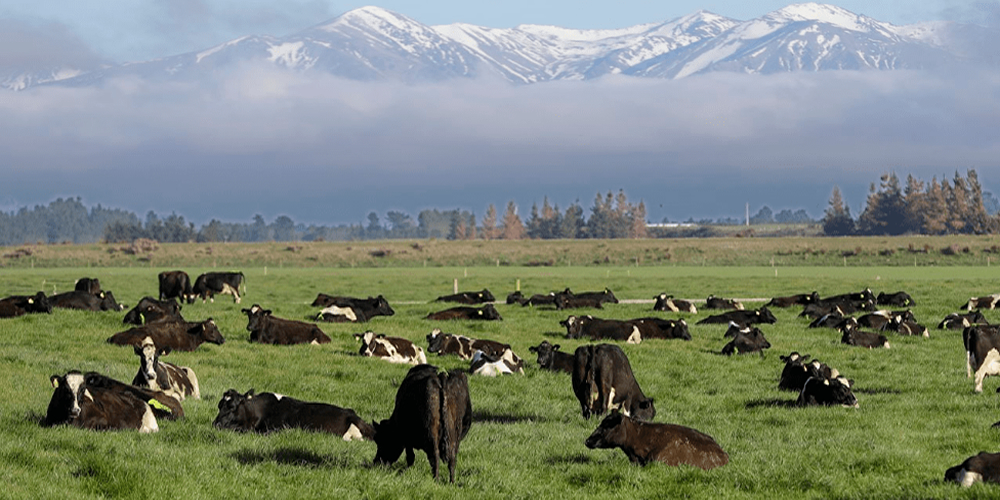
The New Zealand government has pledged EUR 4.6 million (~US$4.8 million; EUR 1 = US$1.06) for the development of a sustained-release methane inhibitor for ruminants such as cattle, the Irish Examiner reported.
New Zealand-based Ruminant BioTech, which will develop the product, said it aims to launch the inhibitor by 2035 and expects it to be used on 100 million cattle by 2030.
The majority of the world's livestock are pasture-grazed, but particularly in New Zealand and Ireland. As a result, scientists from all over the world have been looking for a controlled-release methane-busting ingredient.
There are already feed additives available that help indoor cattle production produce less methane, but grazing cattle cannot consume them because they must be fed with every meal.
The remedy from Ruminant BioTech is a slow-release bolus that releases high levels of a methane inhibitor over a six-month period while in the stomach of the cow.
Ruminant BioTech's testing showed their bolus reduces methane by at least 70% over six months and more than 90% over three months.
The company said that if it can treat 25% of the ruminants in the world, the net reduction in greenhouse gas emissions will be the equivalent of taking 300 million cars off the road globally.
Even though methane from ruminant animals only accounts for 6% of the world's greenhouse gas emissions and methane breaks down in the atmosphere after about 12 years, reducing methane emissions now is widely regarded as the most effective way to combat global warming in the short term.
The solution offered by Ruminant BioTech is an organic compound that occurs naturally and was synthesised to guarantee a consistent, high-quality supply. It will be created with pasture-grazed farming systems in mind, but it can also be applied to intensive farming setups like beef feedlots and dairy farms with shed housing.
The target audience are farmers of dairy, sheep, and beef.
The company has been concentrating on providing a large cattle bolus for cattle weighing over 300 kg so far.
In addition to developing bolus solutions for smaller cattle and sheep, the company will be able to develop the bolus for large cattle more quickly thanks to government funding and matching funds from the investors in the company.
Boluses have been used safely in farming for about 50 years as a common method of administering medications, trace elements, and minerals to ruminants.
Ruminant BioTech must design a system for an inhibitor dose that is high enough to significantly reduce methane emissions while still being low enough to be safe for the environment, food chains, and animals.
- Irish Examiner


