


January 3, 2023
Strong financial performance for US animal protein industry in past three years despite challenges
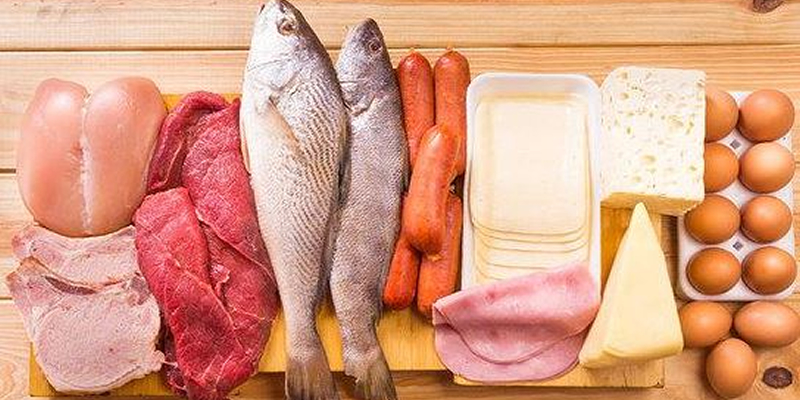
Most US animal protein industry segments have posted phenomenal financial performance over the past three years, despite "tectonic shifts" in consumer eating habits, record high feed costs, labor shortages and supply chain logjams, CoBank Knowledge Exchange said.
However, CoBank's latest quarterly report said this broad-based era of profitability will likely come to an end in 2023.
"On the supply side, the high costs of feed, labor and construction support the prevailing cautionary mood toward expanding production," said Brian Earnest, lead economist (animal protein) at CoBank. "On the demand side, consumers are reeling from rapidly declining real wages – a trend likely to continue well into 2023.
"Add in climate uncertainties, ESG (environmental, social, and corporate governance) pressures and increasing labor and energy costs, and it's likely that 2023 will be a year when major market participants pause, reflect and guard balance sheets."
Over the past two years, consumer's red meat demand has remained steadfast despite the highest inflation in more than 40 years. CoBank notes the following observations in its report:
- Aggregate food service sales have gained back most of the COVID era losses, but that came with outsized gains in the quick serve and fast casual segments while higher-cost sit-down options are still well below 2019 levels;
- Retail grocery sales continue to rise, but not as fast as inflation – meaning unit volume sales have been declining in recent months, finally giving way to the realities of declining real incomes and savings accounts. This trend is expected to accelerate into the first half of 2023 as the Fed's escalating interest rates take their intended toll on the US economy;
- After reaching a high of more than 226 pounds per capita (projected) in 2022, CoBank expects US meat and poultry consumption to be flat at best in 2023, with marginal gains in chicken and pork offsetting a decline in beef;
- Red meat production – and specifically beef – is set for contraction during 2023, down two billion pounds annually year over year, as a result of shrinking cattle supplies. This decline reflects an estimated 5% annual reduction in total beef cow inventory and at a time when beef still has a tailwind of support from consumers. Because of this, prices will remain strong in both live cattle and beef markets;
- Pork production is set for a moderate rebound in 2023, the report said. The domestic pork supply has benefited from a 13% reduction in exports and a 32% rise in imports for the 12 months ended in September, CoBank said. Global economic headwinds and an elevated dollar suggest this trend will continue;
- Chicken consumption seems suited for growth, but will require major integrators to actively boost chick placements and bird weights, Earnest wrote. "We saw an incremental rise in production late in 2022 which hints at the direction to start 2023. Most chicken items were trading at historically high levels to start 2022, but saw significant declines as surplus surfaced amid weaker domestic and export offtake. While we do not expect broiler prices to revert to pre-pandemic low levels, the record highs of 2022 will not return either. "
- AgWeb.com


