


January 2, 2024
Thailand approves policies for imported raw materials used for animal feed
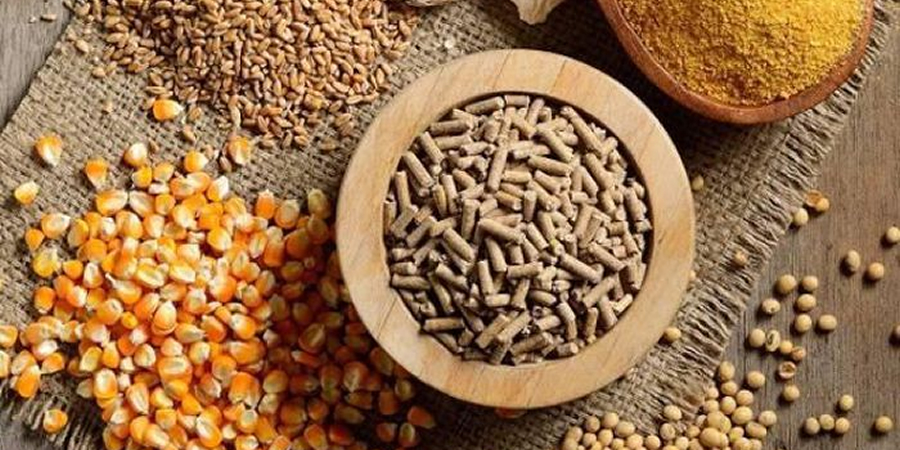
Thailand's cabinet approved on December 26 policies for imported raw materials for animal feed, including feed corn, soybean meal and fishmeal, to support production this year.
However, the import permits are approved yearly, down from every three years previously, to ensure the purchase of farm products from around the country at fair prices.
The current import permits granted for 2024-2026 were scheduled to expire last December.
According to government spokesman Chai Wacharonke, in order to manage raw materials in quantities sufficient to meet domestic demand and ensure appropriate measures to protect farmers and all parties involved in the agricultural system, the cabinet also agreed to maintain the import policies and measures as enforced previously.
For instance, the tariff rate for imported soybean meal without quantity and duration restrictions under the World Trade Organization import quota is maintained at 2% for 11 eligible importers.
If new importers apply for the right to import, it is at the discretion of the chairman of the Food Policy Committee, based on necessity and appropriateness, said the spokesman.
Outside the quota, the tariff rate would be 119%.
According to Chai, imports under other trade frameworks adhere to binding agreements, such as the Asean Free Trade Area and the Thailand-Australia Free Trade Agreement, which both have a 0% tariff. Imports from nations without a trade pact carry a tariff rate of 6%.
"The cabinet's decision to grant import permits for only one year was to promote government schemes to expand areas for animal feed crop cultivation such as corn and soybeans in the country. Production in Thailand is insufficient to meet domestic consumption needs," he said. "To ensure a guarantee, feed producers must adhere to the agreement to purchase all products domestically and at fair prices."
Thailand was estimated to produce 4.9 million tonnes of corn for animal feed last year, while demand was 8.35 million tonnes.
The production of soybean meal is forecast at two million tonnes, while demand is 4.2 million tonnes.
As for fishmeal, production was projected at 300,000 tonnes, with demand at 600,000 tonnes.
- Bangkok Post


