Search eFeedLink

News, technical papers, webinars and market intelligence

search
← All results

Technical Papers matching “dairy

Tech Resources

Grain imports, mycotoxins and the APAC reality in 2025

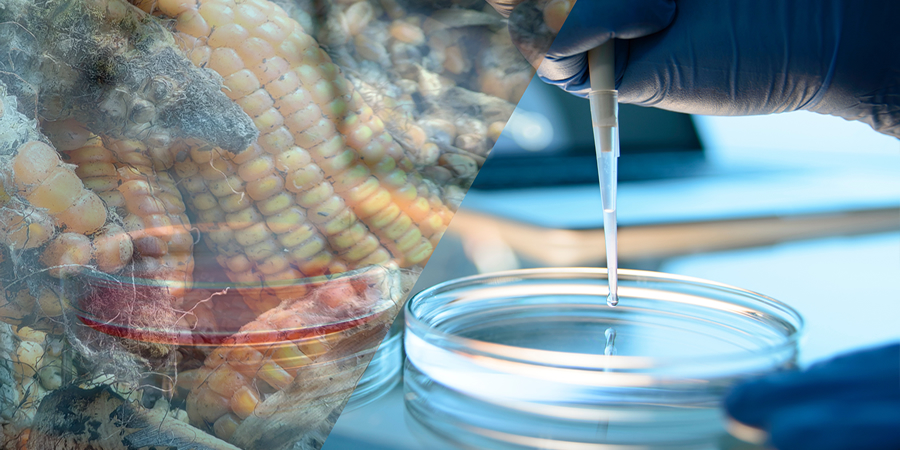
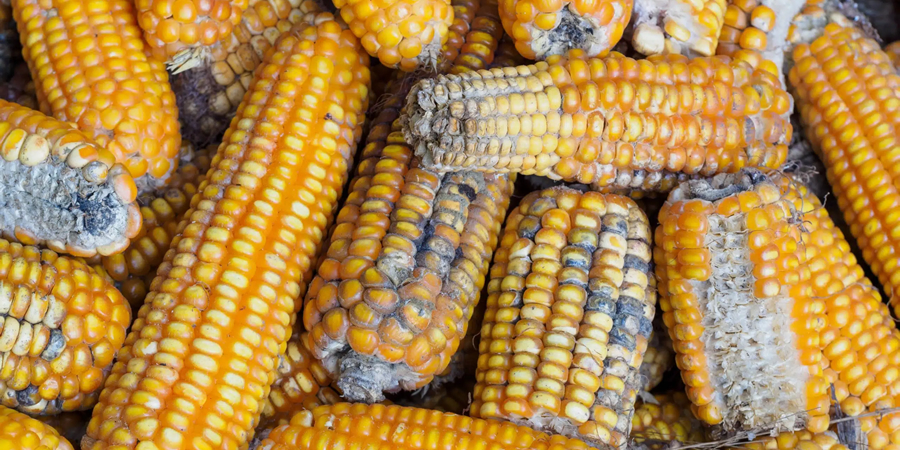
Grain imports are an essential part of the Asia-Pacific feed landscape. As regional feed production continues to expand, imported corn, wheat, barley, and their byproducts have become central to meeting demand across poultry, swine, dairy, and aquaculture systems. Alongside the benefits of scale and availability, however, comes a persistent challenge that feed manufacturers and nutritionists across the region know well: mycotoxin risk.

Dr. Ghazanfar Naseer, Regional Technical Manager, Ruminants and Mycotoxin · Dr. Ghazanfar Naseer, Regional Technical Manager, Ruminants and MycotoxinView paperarrow_forward
Tech Resources

Choosing the right mycotoxin test for your business

Knowledge is power when it comes to effectively managing the dynamic challenge that mycotoxins pose to the productivity of even the best-run livestock operations. Since they are both invisible and odorless, the task of detecting these unwanted toxic compounds relies upon a range of specialist detection methods, each possessing its own strengths and weaknesses when it comes to deploying it in a mycotoxin control program.

Martin Minchin, Commercial Marketing Director, Technology Group, Alltech · AlltechView paperarrow_forward

Tech Resources

Innovation in Formaldehyde-Free Feed Disinfectant: Strengthen Feed Biosecurity and Protect Animals from Pathogen Infection

In modern livestock farming, a robust biosecurity program is crucial for ensuring healthy animals and safe food production. Feed safety is a vital component of biosecurity management. Feed and feed ingredients have been identified as key transmission vehicles for pathogens such as Salmonella spp.

Kin Ken Chew, Tobey Song and Grant Tan · KEMINView paperarrow_forward
Tech Resources

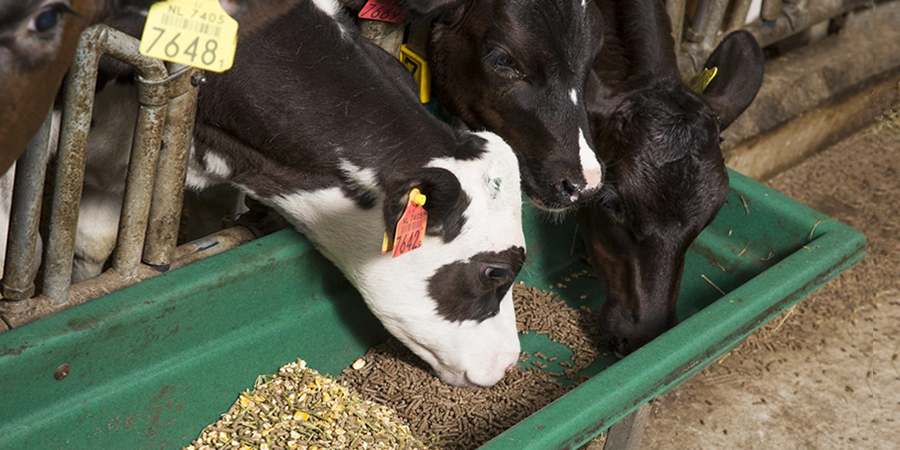
Feeding behaviour: Understanding the science behind feed palatability

The important role of feed palatability in livestock animals, and particularly young animals, is reflected in their sensitivity to the smell and taste of feed, which influences their feeding behaviour. These feeding experiences are dependent on formula, processing, and the freshness and stability of raw materials, making palatability a science demanding discipline and creativity.

Tech Resources

Quantitative estimation of aflatoxin level in poultry feed in selected poultry farms

Poultry feed contamination due to mycotoxins is one of the major threats to the growing poultry industry. Surveillance of different mycotoxins, including aflatoxin, is very important to control economic and health hazards associated with these toxins. Studies reporting aflatoxin levels in poultry feed are limited. Therefore, this study was conducted to examine the occurrence of total aflatoxin in poultry feed.

Kashif Syed Haleem et al. · Kashif Syed Haleem et al.View paperarrow_forward
Tech Resources

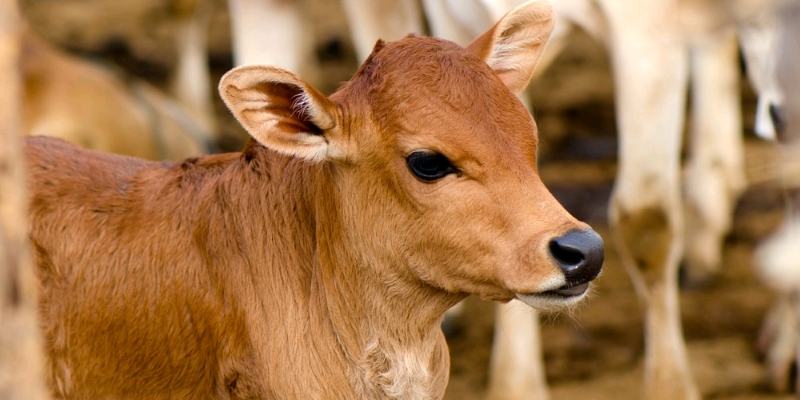
Nutrigenomics in livestock - recent advances

The study of the effects of nutrients on genome functioning, in terms of gene transcription, protein levels, and epigenetic mechanisms, is referred to as nutrigenomics. Nutrigenomic studies in farm animals, as distinct from rodents, are limited by the high cost of keeping livestock, their long generational distance, and ethical aspects.

Joanna Nowacka-Woszuk, Poznan University of Life Sciences, Poland · Joanna Nowacka-Woszuk, Poznan University of Life Sciences, PolandView paperarrow_forward
Tech Resources

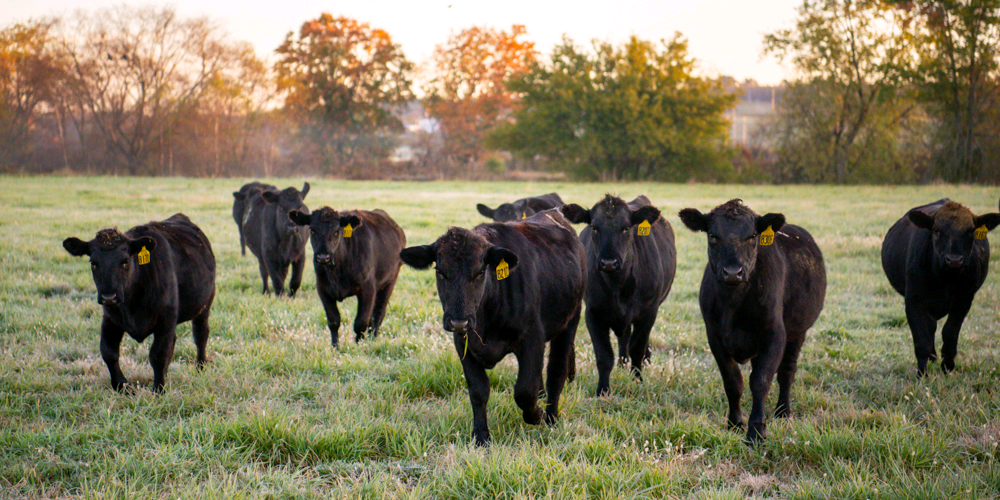
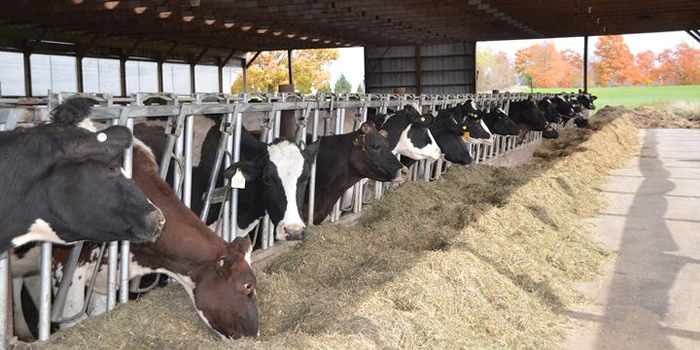
Nutrient utilization for sustainable beef production

In beef cattle production, requirement of feed to produce kg of beef is higher than other species, so considering more effective nutrient utilization is key for sustainability. Also, prevention of some disease is important. We introduce our unique micronutrients for utilization.

Yoshinobu Nakatsuji, Regional Nutritional & Health Solution Manager – Ruminant, DSM Nutritional Products Japan · Yoshinobu Nakatsuji, Regional Nutritional & Health Solution Manager – Ruminant, DSM Nutritional Products JapanView paperarrow_forward
Tech Resources

The impact of early life nutrition and housing on growth and reproduction in dairy cattle

Contentious issues in calf rearing include milk feeding practices and single versus group housing. The current study was performed on a high producing 170 Holstein cow dairy farm, to investigate the impact of nutrition and housing on growth and reproduction. Heifer calves (n = 100) were allocated in birth order to one of two commonly used management strategies. All calves received 3�4 litres of dam specific colostrum within 6 hours of birth.

D. Grove-White et al. · D. Grove-White et al.View paperarrow_forward
Tech Resources

LifeStart Sets Life Performance - An ongoing trial on dairy calves

Many researchers have shown the positive effects of elevated levels of pre-weaning nutrition in dairy calves on growth, health, fertility, future lifetime production and culling rate. Trouw Nutrition's LifeStart research programme follows two groups of calves during their entire productive life. It started in 2014 and is continuing till today.

Jeanne Boekhorst, Technical Manager Ruminant, Trouw Nutrition · Jeanne Boekhorst, Technical Manager Ruminant, Trouw NutritionView paperarrow_forward
Tech Resources

Feeding of brewers' yeast derivatives in calves enables excellent start in life

Due to their immature immune system calves are very susceptible to intestinal and respiratory diseases in the first weeks of life. Challenges, e.g. adverse climate conditions or social stress promote proliferation of infectious agents such as E. coli, Rota and Corona virus and Cryptosporidia resulting in intestinal microbiota imbalances.

Petra Bisesti, Product management Livestock (Ruminants), Leiber GmbH, Germany · Petra Bisesti, Product management Livestock (Ruminants), Leiber GmbH, GermanyView paperarrow_forward
Tech Resources

Weaning management of beef calves with implications for animal health and welfare

Weaning is a necessary husbandry practice in which nutritional, social, physical and psychological stressors are imposed on the beef calf causing alterations in behavioural and physiological responses. The present paper is a review of studies on the influence of weaning stress at housing on beef calves. To date, few studies have examined the effect of weaning on the extended physiological and immunological responses of beef calves and cows.

B. Earley et al. · B. Earley et al.View paperarrow_forward
Tech Resources

Reinforcing calves immunity and improving gut microbiota balance to safeguard health and performance

The digestive tract of calves, as other young ruminants, is particularly sensitive to challenges. Indeed, during the first months of life, their digestive tract undergoes significant and extensive changes as it evolves from its initial monogastric function towards ruminant. Furthermore, early maternal separation, which is common practice, can lead to altered digestive microflora establishment, balance and function.

Lallemand · LallemandView paperarrow_forward

Showing 120 of 28