
FAO unveils new blueprint for dealing with transboundary animal diseases globally
The Food and Agriculture Organization of the United Nations (FAO) has presented a blueprint for a new global approach to tackle transboundary animal diseases.
News, technical papers, webinars and market intelligence
The Food and Agriculture Organization of the United Nations (FAO) has presented a blueprint for a new global approach to tackle transboundary animal diseases.
The price reductions, which took effect in waves from 1 July 2026, cover swine, broiler, layer and aquafeed product lines across both multinational and domestic feed companies operating in Vietnam.
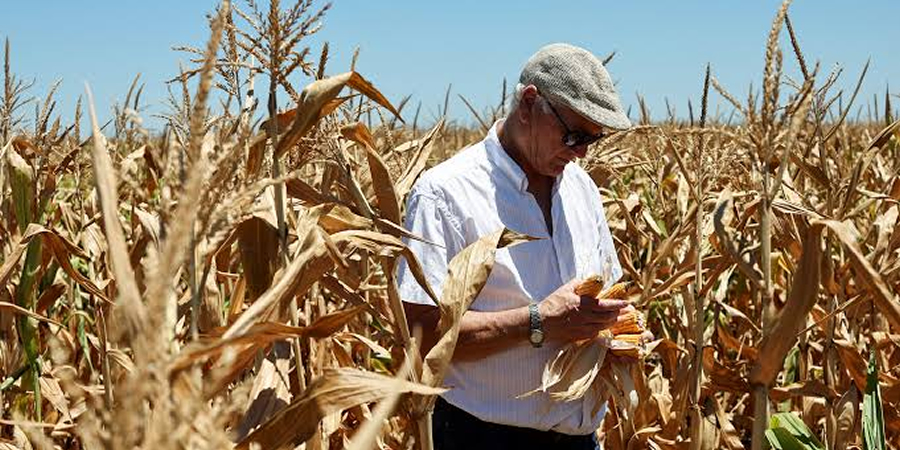
With corn production estimated at a record 61-63 million tonnes for MY2025/26, delayed harvesting due to high grain moisture and waterlogged fields is curbing near-term export flow, while soybean meal demand from the global feed industry continues to underpin oilseed trade.
Despite an 11% rise in revenue, a sharp contraction in gross margin from 21.5% to 15.4% pushed net profit down sharply, with the company completing 59.4% of its full-year profit target after six months.
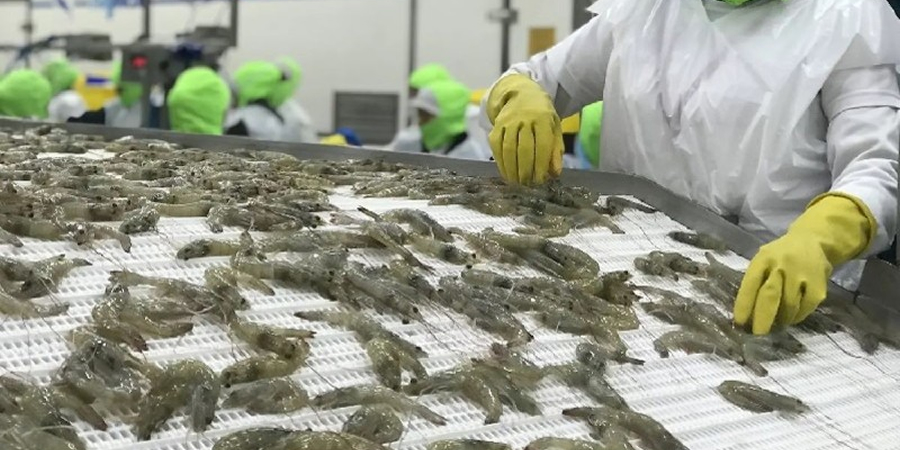
Lobster exports to China emerged as the industry's single biggest growth driver, while US-bound shipments fell 15% over the six-month period amid anti-dumping duties and tightened traceability requirements.
Exogenous phytase is the most common enzyme in the feeding of non-ruminants. The world's first commercial phytase, Natuphos, capable of breaking down phytate, was introduced in the Netherlands in 1991. Today, the global phytase market is valued at around 450 million US dollars. By 2025, it could reach 600 million US dollars.
This is a comprehensive review on the use of nutritional strategies to shape the functioning of the gastro-intestinal tract in suckling and weaned piglets. The progressive development of a piglet's gut and the associated microbiota and immune system offers a unique window of opportunity for supporting gut health through dietary modulation. This is particularly relevant for large litters, for which sow colostrum and milk are insufficient.
Covid-19 has posed and continues to pose a wide range of challenges for the agri-food industry. The relationship between supply and demand for animal protein has been clearly affected due to the closure of regions and countries, lockdowns, the loss of tourism and the closure of the HORECA (hotel, restaurant and catering) channel.
Feed enzymes increase the nutritional value of poultry feed, but other kinds of enzymes can be used to improve gut health. Bacterial peptidoglycans negatively affect gut function – these enzymes help break them down, increasing production efficiency.
A healthy and well-functioning gut is essential for a good piglet performance. Since 70-80% of the immune cells are located in the gut, a healthy gut, means a healthy piglet (Furness et al., 1999). Supporting the intestinal health of the piglet during stressful periods such as weaning, is of great importance when it comes down to preventing diarrhoea.